


Endling *Extinction is Forever
4.396.00 Reviews
App Specs
- Version
- 1.3.3
- Updated On
- License
- $10.99
- Downloads
- 100,000+
- Developer
- HandyGames
- Categories
- Adventure
- Platform
- Android
Screenshots
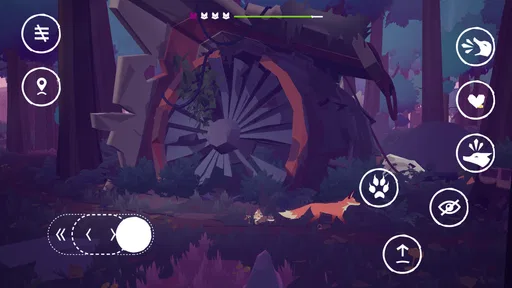
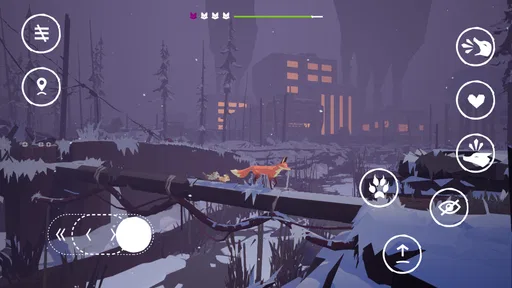
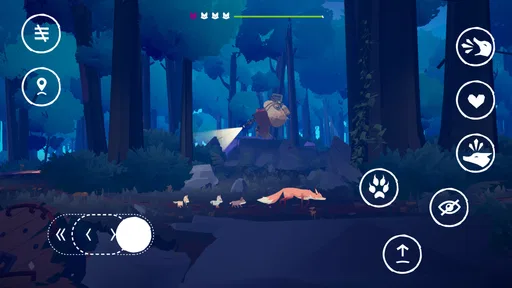
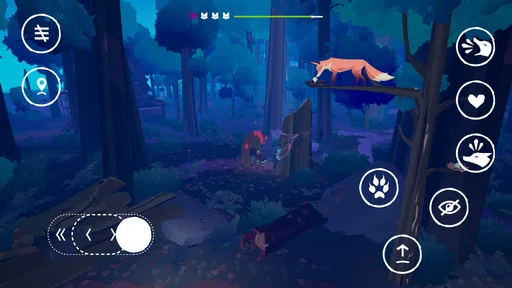
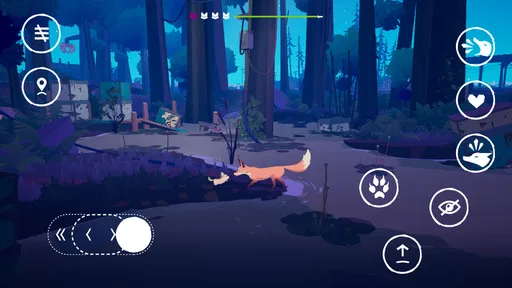
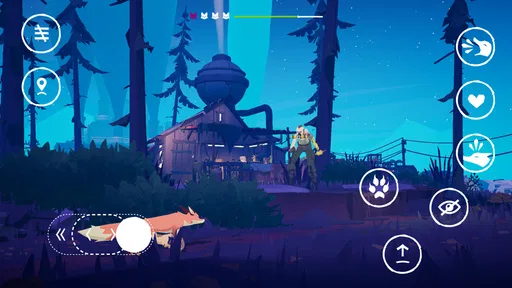
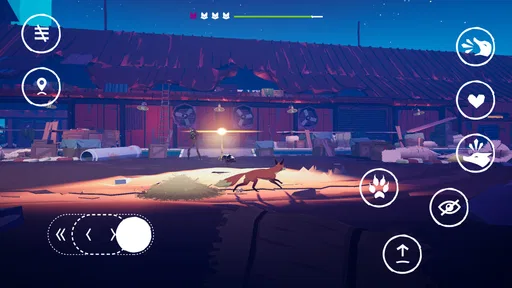
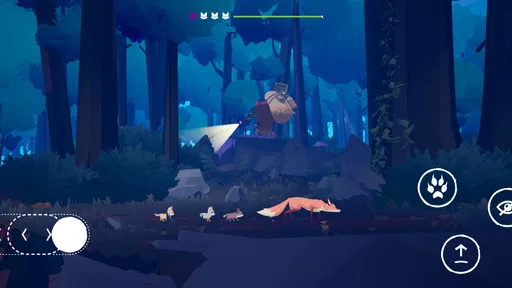
 Analysis by AppCompare
Some adventure games ask me to save a kingdom, solve a mystery, or defeat a monster. Endling - Extinction is Forever asks something much more uncomfortable: can I keep a mother fox and her cubs alive in a damaged world? That change in perspective is the reason I remember it. I am not playing an all-powerful hero. I am trying to make careful choices while the environment becomes less forgiving.
After spending time with this game, I see it as a focused, emotional adventure rather than a traditional action title. It comes from HandyGames, sits in the adventure category, and carries a Teen content rating. Its presentation is accessible enough to understand quickly, but its subject matter can feel heavy, especially when the game puts survival, loss, and human impact in the same frame.
The central decision is simple: do you want a short, story-led survival experience that values atmosphere and consequence over constant combat? If yes, this is an unusually strong fit. If you want a large map, endless progression, competitive play, or relaxed family entertainment, I would look elsewhere.
What I judged before recommending it
When I decide whether an adventure game is worth recommending, I look beyond its premise. I want to know how clearly it communicates its goals, whether its controls support the mood, whether exploration feels meaningful, and whether the emotional material earns its place instead of being used as decoration. Endling succeeds most clearly when these elements work together: the fox’s movement, the nighttime setting, the vulnerable cubs, and the damaged surroundings all reinforce the same survival problem.
I also consider how much patience a game expects from the player. This is not the kind of experience I open for five minutes of random action and then forget. Its appeal depends on observing the world, learning routes, recognizing danger, and accepting that a good decision may still have an unpleasant result. That makes it more demanding emotionally than mechanically.
The game is available for $10.99, which places it in the premium mobile-game conversation rather than the free-download crowd. For me, that price only makes sense if I am specifically looking for a complete, mood-driven adventure. Someone comparing it with free casual games will judge it by the wrong standard; someone comparing it with a compact narrative game will understand its value more easily.
On Android, it requires at least OS 9. The current version is 1.3.3, and the game has passed the one-hundred-thousand-install mark with an average rating of 4.3 from around 1.4 thousand ratings. Those figures suggest a healthy audience, but they do not replace the more important question: whether its slow, sometimes painful style matches your taste.
Worth Reading Before You Choose

EA SPORTS FC Mobile 26 Is a Bigger Football Game, but It Takes Time

Flipboard Shows What News Apps Must Do Beyond the Feed

Switching to Android Auto Means Rethinking Your Driving Routine

Google Calendar Makes a Crowded Week Easier to Manage

Ludo King Makes the Most of the Minutes Between Plans

Baby Panda World Brings Quick Play to Modern Phones, but Its Game Library Feels Busy
The survival loop is about decisions, not power
The most important thing I learned is that the game does not make survival feel like a checklist of heroic tasks. I am constantly balancing movement, food, safety, and the needs of the cubs. The fox family is not just a visual theme placed over ordinary platforming. Their relationship shapes the way I read every new area and every possible route.
A useful habit is to treat each outing as a small plan rather than an improvisation. I look for what might be available, think about how exposed the route is, and avoid assuming that the most direct path is automatically the best one. This is one of the game’s less obvious strengths: it encourages me to think like an animal trying to survive, not like a player searching for the fastest way to the next objective.
That approach also explains one of its limitations. If I make a poor choice, the result can feel discouraging rather than exciting. Players who expect generous checkpoints, constant rewards, or a clear power curve may find the pressure tiring. The game’s tension comes from vulnerability, so removing that vulnerability would also remove much of its identity.
Why the setting carries so much of the experience
The world is effective because it is not presented as a neutral playground. The fox family moves through places shaped by environmental damage and human activity, and that context changes how I interpret ordinary exploration. A seemingly useful location can also feel unsafe. A quiet moment can carry more weight because I know the family is not protected by the game’s world.
I appreciated that the environmental message is delivered through play rather than through a long lecture. The condition of the surroundings affects the mood of the journey, and the family’s vulnerability gives those details a personal scale. I do not experience the setting as an abstract warning; I experience it as a place where a mother has to protect her young.
That said, the emotional tone is not light. The Teen rating is worth taking seriously, not because the game is difficult to understand, but because its themes can be upsetting. I would not choose it as a carefree game for young children or as a background activity while distracted. It works better when I am ready to pay attention to what the story is saying.
Controls, pacing, and the value of patience
The controls are easier to appreciate when I stop expecting arcade speed. The game’s rhythm gives me time to inspect surroundings and make decisions, but that slower pace can feel restrained if I arrive expecting a fast platformer. My advice is to play with headphones if possible and in a setting where I can concentrate. The atmosphere depends on noticing small changes, not simply rushing from one marker to the next.
There is also a practical reason to avoid playing while multitasking: a moment of inattention can affect the family’s condition or waste an opportunity. I found that a short, focused session was more satisfying than trying to grind through a long stretch. The game rewards a calm mindset, and it becomes less effective when treated as disposable phone entertainment.
One concrete tip is to pause before entering an unfamiliar area instead of immediately following the most obvious visual path. I found that this helped me separate curiosity from necessity. Another is to remember that the cubs are part of the problem-solving process. I was not merely moving a character through a level; I was considering how the whole family would cope with the route.
What makes the family dynamic more than decoration
The cubs give the game its strongest emotional hook, but they also create a practical trade-off. I cannot think only about the mother fox’s immediate movement. I have to consider the family as a group, which makes exploration feel more personal and less like collecting items on a map.
This creates a useful distinction from many adventure games. In a conventional title, a companion may follow the player while the main character handles every meaningful challenge. Here, the presence of the cubs changes the stakes of ordinary decisions. A route that might be acceptable for one agile character can feel wrong when the family’s safety is involved.
I recommend taking the game slowly enough to notice how this relationship affects your choices. If you rush toward objectives, you may technically progress while missing the reason the game feels different. The strongest moments came when I understood that survival was not just about reaching a destination; it was about deciding what the family could realistically endure.
Choosing it over other adventure games
I find it useful to compare this with the kind of adventure I actually want to return to, not just the one that sounds most exciting at first. A compact, story-led journey suits me when I want each session to move the same emotional thread forward; a sprawling world is the better pick when discovery and variety matter more. That distinction also helps clarify what keeps this game compelling after its first impression.
Where this game wins
Endling wins when I want a self-contained adventure with a clear emotional point. It does not need a huge cast, a complicated inventory, or a sprawling fantasy mythology to make exploration matter. Its focus gives the journey a strong identity, and the fox family makes the consequences easier to feel than they would be in a more conventional rescue story.
It also wins for players who prefer environmental storytelling. Instead of separating the message from the mechanics, it makes the condition of the world part of the reason I care about each movement. That connection is more memorable than a generic backdrop, and it gives the game a seriousness that many mobile adventures avoid.
Another advantage is its premium structure. I am paying upfront rather than entering a loop built around repeated purchases or attention-grabbing interruptions. That does not automatically make every minute valuable, but it supports the kind of focused experience the game is trying to provide. I can approach it as a complete work instead of wondering whether the next step is designed around monetization.
Finally, it is a good choice for players who want an adventure that can lead to conversation. I could recommend it to someone interested in games about ecology, family responsibility, or the emotional effects of environmental collapse. It is not merely a technical showcase; it gives the player a situation to think about after the session ends.
Where another category may fit better
If your preferred adventure game is a large open-world journey, this may feel too concentrated. Endling’s strength comes from focus, so it does not offer the same kind of freedom as a broad exploration game built around many optional systems. Players who enjoy wandering for hours, collecting everything, and becoming increasingly powerful may prefer a different category altogether.
It is also a poor substitute for an action game. The tension here is not based on mastering a deep combat system or defeating a long sequence of enemies. If your ideal mobile session involves quick battles, character builds, or competitive matches, this game will probably seem quiet and restrictive rather than exciting.
Casual players should think about the mood as well as the mechanics. The premise is easy to understand, but the experience is not emotionally weightless. I would not choose it for a party, a noisy commute, or a child who only wants colorful animal characters. The foxes may look approachable, yet the story asks the player to confront difficult consequences.
There is a similar trade-off for players who prefer replayable games. A focused narrative adventure can be satisfying because it has direction, but it may not replace a game designed around endless runs, daily challenges, or social competition. I would choose Endling for its journey, not for an infinite stream of new activities.
The real cost of switching from free mobile games
The main cost is not only the $10.99 purchase. It is the change in expectations. If I normally download free games for quick bursts, I have to give this one attention and accept that progress may involve uncertainty or discomfort. The price is easier to justify when I treat it as a deliberate evening game rather than another app to sample for a few minutes.
There is also a learning cost. The game does not become more enjoyable because I force it to behave like a conventional action title. I had to adjust to reading the environment, planning around the family, and accepting that caution matters. That adjustment is worthwhile for the right player, but it is still a real barrier for someone who wants immediate, uncomplicated feedback.
On the other hand, switching away from it has a cost too. If I replace this experience with a generic adventure, I may gain more action or freedom but lose the unusual connection between the survival system and the story. The choice depends on what I value: breadth and repetition, or a compact journey with a strong point of view.
For an everyday scenario, I would recommend playing it after dinner when I have a quiet half-hour and want something more meaningful than a quick distraction. I would avoid starting it during a crowded commute if I know I will be interrupted. Losing concentration does not just make the controls harder; it weakens the atmosphere and makes the family’s situation feel like a task instead of a story.
Who should buy it and who should skip it
I would recommend it to players who enjoy thoughtful adventure games, environmental themes, and stories where the central relationship affects the way the game is played. It is especially suitable for someone who wants a premium mobile experience with a clear identity rather than a large collection of loosely connected activities.
I would also recommend it to parents or educators looking for a game that can open a discussion about habitats, responsibility, and the consequences of human choices, provided the Teen rating and emotional material are appropriate for the person playing. It can be a useful conversation starter because the environmental issue is experienced through the family’s struggle.
I would skip it if I mainly want cheerful animal entertainment, competitive play, extensive customization, or a long-term progression treadmill. I would also hesitate if stories about vulnerable animals are likely to make the experience unpleasant. The game’s emotional pressure is not an optional decoration; it is central to why the adventure works.
My recommendation after weighing the trade-offs
My final view is positive, with an important condition: buy Endling for its focused survival story, not because it resembles every other adventure game on mobile. HandyGames has built an experience around vulnerability, and that choice gives it a distinct voice. The game is most convincing when I slow down, observe the world, and let the fox family’s needs guide my decisions.
The 4.3 average and audience of over one hundred thousand installs make it easier to see that the game has found players, but my recommendation rests on its design rather than its popularity. The premium price is reasonable for someone who values atmosphere and narrative focus, while it is a poor deal for anyone searching for a free, endlessly replayable time-killer.
Before installing, check that your device runs Android 9 or newer and make sure you are comfortable with the Teen-rated tone. Once those practical questions are settled, the bigger question is personal: do you want to protect a family in a world that does not make survival easy? If the answer is yes, Endling - Extinction is Forever is one of the more distinctive adventure choices I can recommend.
Pros
- Emotionally powerful story that creates a strong connection with the fox family.
- Beautiful hand-drawn visuals give the devastated world a distinctive atmosphere.
- Stealth and survival mechanics are simple enough for casual players.
- Exploration rewards curiosity with hidden areas
- resources
- and story details.
- Runs well on many modern mobile devices with intuitive touch controls.
Cons
- The bleak subject matter may feel distressing for younger or sensitive players.
- Some survival decisions can feel repetitive after several in-game nights.
- Limited replay value once the main story and outcomes are discovered.
- Touch controls occasionally feel imprecise during tense stealth sequences.
- The mobile version may require substantial storage and a compatible device.
FAQs for Endling *Extinction is Forever
What is Endling – Extinction is Forever about?
Endling – Extinction is Forever is a story-driven survival adventure in which you play as the last mother fox on Earth. You must protect and feed your cubs while exploring a polluted, human-damaged wilderness. The game focuses on family, survival, and environmental consequences, combining stealth, exploration, and emotional storytelling rather than traditional combat-heavy gameplay.
How does the gameplay work in Endling – Extinction is Forever?
Gameplay revolves around searching for food, finding safe shelter, learning the needs of each cub, and avoiding dangerous animals and human threats. You explore the same changing environment night after night, gradually discovering routes and survival strategies. Each cub develops different abilities, so paying attention to their progress is important. Mistakes can have serious and permanent consequences.
Is Endling – Extinction is Forever suitable for children?
Although the game uses a soft, illustrated visual style, its themes can be surprisingly serious and upsetting. It includes environmental destruction, hunger, animal danger, loss, and the possibility of cubs dying. Younger players may find some scenes emotionally difficult, even without graphic violence. Parents should consider the child’s age and sensitivity before downloading it.
Does Endling – Extinction is Forever require an internet connection?
The main single-player experience is designed to be played offline after installation, which makes it convenient for travel or areas with limited connectivity. However, download availability, updates, platform services, and certain device-store functions may require an internet connection. Since performance can vary between phones and tablets, checking the store requirements before purchasing or installing is recommended.
Can Endling – Extinction is Forever run on every Android or iOS device?
No, the game is not guaranteed to run smoothly on every Android or iOS device. It features detailed environments, dynamic lighting, and several moving characters, so older or lower-powered phones may experience reduced performance, longer loading times, or compatibility limitations. Before downloading, check the official store listing for supported operating-system versions, storage requirements, and device compatibility.


